

HEAD FOR THE HILLS!!!

"WHEN IT GOES DOWN I'M GETTING OUT OF HERE AND GOING TO THE WOODS/HILLS/FOREST/MOUNTAINS!!!"
"I'LL JUST GRAB BY HUNTING KNIFE/RIFLE/MACHETTE/SLINGSHOT AND MY WATER FILTER AND GO AND LIVE OFF THE LAND UNTIL THINGS CALM DOWN!"
When discussing what steps to take during a large scale emergency or disaster, we often hear people say they will head for the hills and live in the woods or mountains because there will be a better chance of survival. The quotes above are all things good intentioned folks have said when talking about disaster preparedness. What many don't realize is that living, surviving and actually thriving while doing so is a huge undertaking that will severely challenge even the the most highly trained and heartiest of people. As a matter of fact from personal experience, simply living in the mountains is tough even with all of the amenities, comforts and necessities currently available.
Why would or wouldn't you leave your current location and relocate to a different place during a disaster? One reason why would be an official mass evacuation. Normally mass evacuations are an organized effort involving the coordination of local, state and federal resources. They rely on strategic plans and logistics to secure places for evacuees to go if there is a longterm need. There are usually resources available for evacuees during the duration of the process, and many things, including longterm housing are concerns that are addressed. Our advice is that if an evacuation has been called for, then by all means leave the area if you can. Often, rescue attempts to save those who did not leave a danger zone are a drain on resources and can put more people in danger during these rescue attempts.
If an area is unsafe IT IS NATURAL TO WANT TO LEAVE. But one must consider the full picture before making the decision to leave an area if a mass evacuation has NOT officially been called for. Actually heading out and living off of the land is a lot harder than it seems. It is best to take more realistic steps to prepare and plan for surviving a disaster.
If you desire, it would be beneficial to invest time in learning specific skills like hunting, trapping, butchery, curing meat, fermentation and pickling. These skills will not only be useful in long term emergencies, but also will serve you well in everyday life. If you hone these skills now, you will find that they will end up saving you money now and in the longterm, and also give you some positive hobbies that you can share with friends and family.
Have fun learning the skills you want to, but also prepare realistically. Have kits and plans ready for plans and outages. Plan for evacuations, think about what you would need and what you absolutely must bring. If the time comes to leave, make sure you are ready and have a realistic plan of action.
Be smart, be ready and be aware!

The Reality of Emergencies

emergency (ĭ-mûrˈjən-sē)
n.
A serious situation or occurrence that happens unexpectedly and demands immediate action.
n.
A condition of urgent need for action or assistance: a state of emergency.
adj.
For use during emergencies: emergency food rations.
As you can see in the definition above, emergencies are considered "serious situations" or "a condition of urgent need for action or assistance". Emergencies and disasters can often be used interchangeably. We have seen many examples of disasters or emergencies recently. Whether its hurricane Harvey or Irma, winter storms or earthquakes, we have seen countless examples throughout history and more recently.
When consulting individuals, families and businesses on emergency preparedness we often get the question, "what emergencies should we prepare for"? We like to take an "All Hazards" approach, and honestly this means preparing for outages or interruptions to our normal way of life. This includes having realistic expectations of certain services.
Most emergencies involve interruptions of some sort. And thankfully many interruptions require the same materials, equipment and plans to prepare for. Think about food, water, first aid, communications, fun activities and safety. Of course it is best practices to do your research and know what risks you face in the area you live or work. However, it is possible to get a kit and develop plans that would help you deal with most disasters.
Stay safe, and be aware!
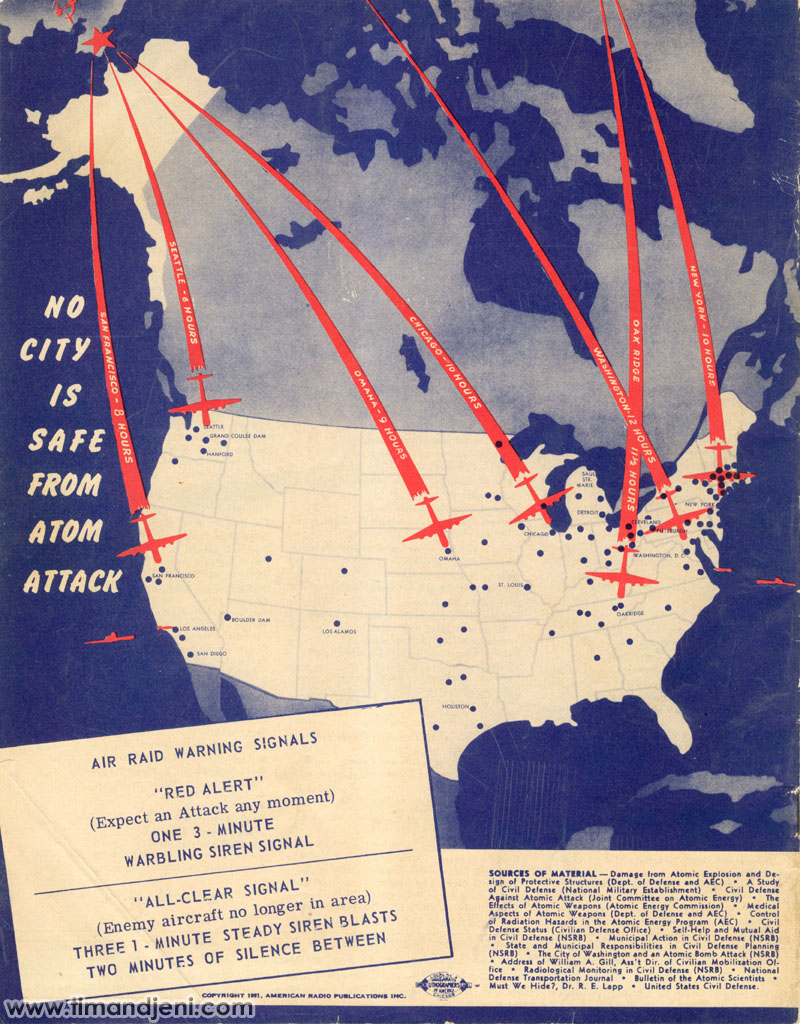
Nuclear incidents
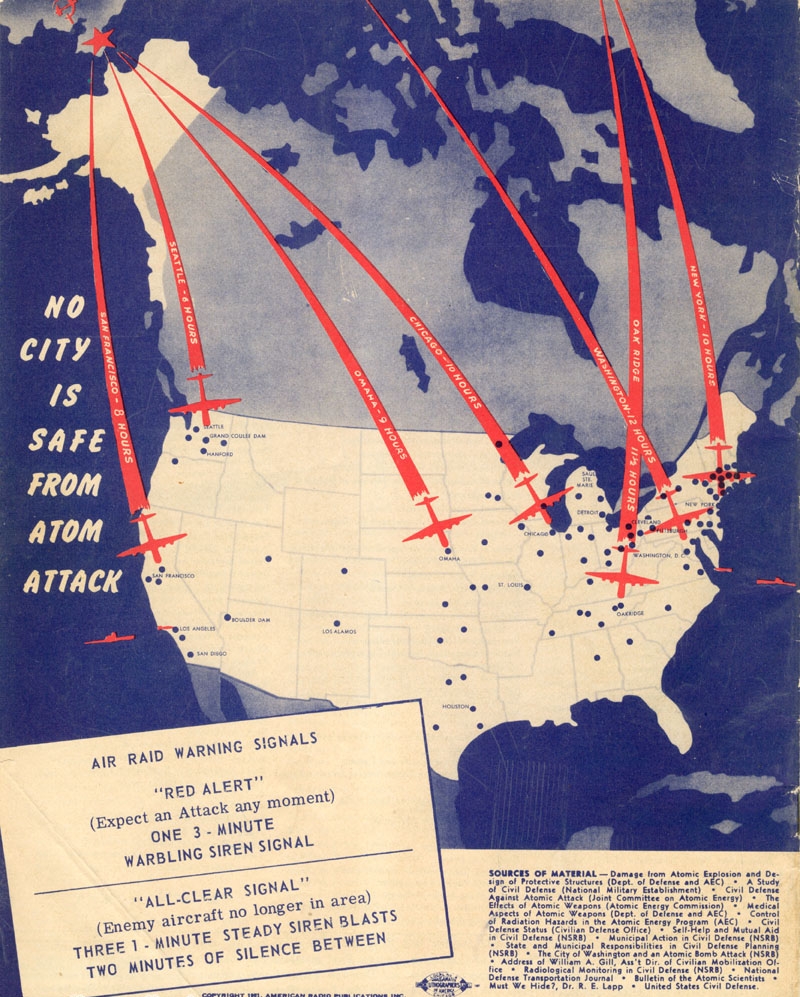
Recently we have seen the threat of nuclear attack being covered in the news. While this is a very serious risk that government at federal, state and local levels are preparing for, this is not the only nuclear risk we face.
Another type of threat is a Radiological Dispersal Device (RDD) or dirty bomb. This is a device that combines conventional explosives with radiological material. An RDD cannot/does not produce a nuclear explosion or atomic blast. However, when it explodes it carries radioactive material into the surrounding area, causing a large radiological area of effect. The main cause of damage would be from the initial explosion, not the radiological material. The material would serve to contaminate the area, and causing the air, water and any food to become unsafe to breath, drink or eat.
The best course of action if you suspect a RDD was set off in your area is to Shelter In Place (SIP) and follow directions from your local authorities. Generally, you would want to remove all clothes that you were wearing at the time of the possible exposure, put the clothes in a plastic bag and leave them outside and away from other people. Lightly wash your body with a gentle soap, without scrubbing. Then wait indoors until given news that the area is all clear and it is safe to go outside.
If you need help with your SIP plan or need equipment or a kit to help you shelter in place, World Aware can help with your planning efforts.
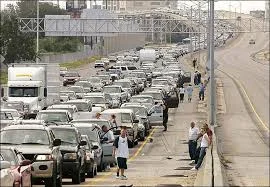
Evacuation in emergencies

At this point in our world, it can be assumed that nearly everyone has heard of the term "evacuate" or "evacuation". Merriam-Webster's defines evacuation as "to withdraw from a place in an organized way especially for protection". Basically, it means to purposefully leave a specific geographic area and relocate to another safer area, due to some sort of hazard. There are a variety of reasons why one would evacuate. Natural disasters and human made disasters are generally the reasons why we would evacuate (also known as evac), and those are the reasons we will discuss in this post. When it comes to evacuating a populated area under the direction of local, state or federal authorities there are two types of evacuation. These are voluntary and mandatory. Most of the time a voluntary evacuation will be initiated when there is a known hazard and there is a great possibility that staying in the area will be hazardous to life safety. A mandatory evacuation will be initiated when there is an extreme impending hazard that will definitely impact life safety for any and all who remain in the area.
The laws and statutes that designate the authority of who can authorize an evacuation vary. Generally it is law enforcement chiefs, Emergency Managers, Mayors, County Commissioners or County Managers can make this decision at the local level. At the state level it is the governor or other designate policy group. Going from past experiences, whenever there is an evacuation, whether voluntary or mandatory it is best to get out when/if you can. It is often seen that responding agencies have to dedicate significant resources to send rescue to people who did not evacuate when they had the chance to, preventing these responders from attending to other duties. It is important to recognize that not every household has the resources to pick up and go when there is an evacuation order. Many times these are the folks who are forced to stay because they have nowhere to go, or don't have the resources to safely get out when they need to. This is where local emergency management and evacuation plans come into play. Local plans should indeed address those who cannot evacuate, whether due to access and functional needs or lack of resources. Contact your local Office of Emergency Management if you have questions about your local evacuation plans and what the plans mean for your household.
Recently, we have seen evacuation orders sent out in Florida, Georgia, Texas and California due to hurricanes, flooding and fires. Most of these evacuation orders were sent out using some type of public notification system. The providers of these systems may vary from county to county and state to state, but generally they all have similar capabilities of sending voice, text and email messages to the people who are registered in their jurisdictions. Check with your local Office of Emergency Management and inquire about the notification system they use. If it is one you have to register for, go ahead and sign up!
We all should have some sort of plans for evacuations. Things you will need to think about are an emergency kit, some monetary savings, and knowing the different routes in and out of your area. World aware can help with emergency kits, and making solid plans to keep you safe during an evacuation.
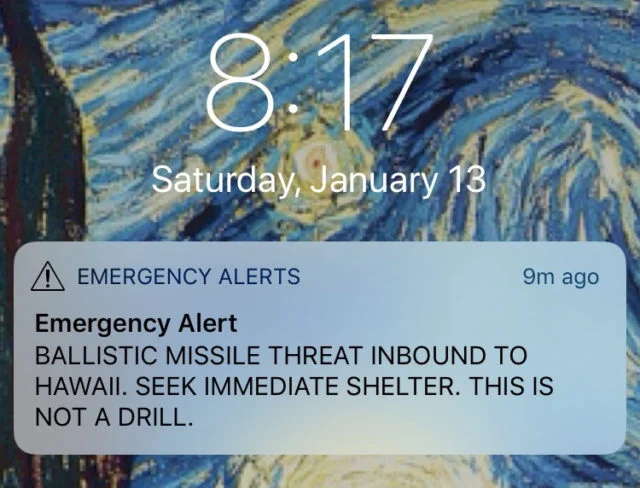
Hawaii's emergency notification system false alarm

Recently we heard about the emergency notification sent out in Hawaii, warning the residents of an impending missile attack. This notification turned out to be a false alarm, sent by accident to the cellphones of those in Hawaii. This turned out to be an unfortunate accident, due to human error.
Understandably, this caused a great amount of worry among those who received the message. There were reports of people running red lights, taking shelter in tunnels and a certain level of general panic.
While this was an accident due to human error, we should still understand the need for emergency alert systems such as this. Whether it's the Wireless Emergency Notification System (WENS) or the Integrated Public Alert and Warning System (IPAWS) these systems are here for our safety.
One thing that we can take away from this unfortunate accident is the need to plan for major disasters. In the case of an impending nuclear strike, it may seem like a hopeless situation, but that may not be the case. Take time to make a plan for what to do if there is a large scale disaster that may require immediate action. The type of threat that the notification in Hawaii was focused on is not the only type of major disaster that may impact your area. Earthquakes, Hazardous Materials (Hazmat) incidents, wildfires and even flash floods are all events that may require quick, decisive action on your part. Discussing what you would do and making a plan will make your response to any of these less stressful. Our thoughts go out to all of those impacted by the false alarm and any trauma they may have because of it.

Shelter In Place

This boardroom can double as a shelter room!
To Shelter In Place (SIP) means to separate yourself from a hostile external/outside environment. This could be for a number of reasons such as gas leaks, Hazardous Material incidents, criminal activity (active shooter or bank robberies in the area) and severe inclement weather.
Schools and governmental bodies have been making and exercising shelter in place plans for many years, and now many other types of organizations are seeing the need to develop these plans. After assessing the best methods for sheltering in place, communication and training of staff on these plans is of great importance. Considerations such as necessary supplies need to be made along with the plan development, as well as any additional steps needed to make the SIP area safer.
World Aware can help with SIP plan development and training, as well as SIP supplies and equipment. If you decide you need additional safety, we have extensive experience in dual use Shelter In Place/Safe rooms using security concepts that are nearly undetectable and can be applied to any existing office, conference room or other space. This dual use approach negates the need for a "stand alone" SIP/Safe Room, allowing your work or living space to double as a place of safety for your staff or family. Contact World Aware to discuss how Shelter In Place planning can help you.

COOP plan importance.

What is a COOP plan? A Continuity of Operations plan (COOP) plan is a collection of resources, actions, procedures, and information that is developed, tested, and held in readiness for use in the event of a major disruption of operations. Many different organizations have the need for and would benefit from a COOP plan. Major disasters will disrupt the operations of most businesses, and the cost of maintaining operations without some sort of plan or system for response and recovery is incalculable. Non-profit organizations, governmental bodies, private industry, even private practices and small businesses are just examples of the many organizations that have made COOP plans an intergral part of thier business model.
Identification of assets and critical functions is an important part of COOP plan development. Vulnerability assessments and informational interviews help to prioritize which functions are most important to keep the organization running.
Having a COOP plan allows for a smooth recovery after any disruption in services. Many organizations, such as medicaid providers (of any size) are required to have a COOP and emergency plan. The potential for during and post disaster cost savings is incredible. Having a plan laid out for recovery of essential business functions allows for a more organized response after a disaster or disruption, decreasing the amount of funds needed to keep operations running.
World Aware can help your organization develop a customized Continuity of Operations Plan that will serve as a guide for your organization's healthy response and recovery to disaters.